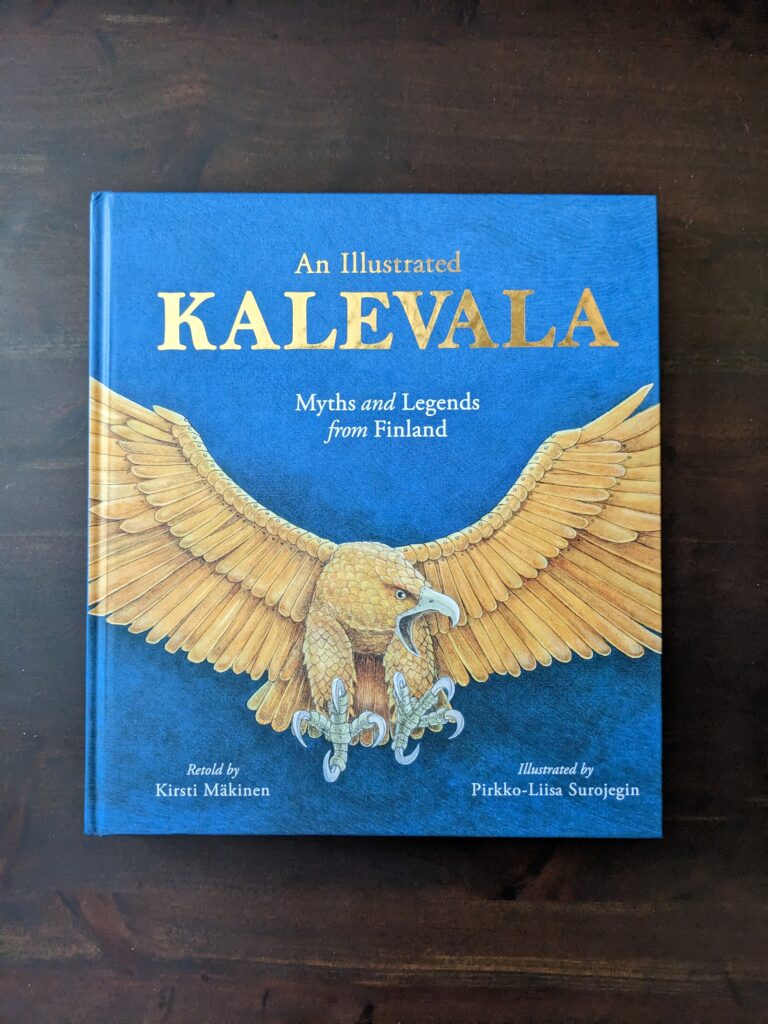
My daughter loves traditional folktales. I want to expose my children to work from a broad range of cultures. We are also part Finnish on my father’s side, which is a part of our ancestry that I know perhaps the least about. So, I got this illustrated Kalevala for one of the next books to read. (Just to be clear, the images below in this post are not contained in the book. I added them to illustrate related examples of Finnish culture.)
The Kalevala is the national epic of Finland and of closely related Karelia (now part of Russia). This is a trimmed-down illustrated version to make it accessible to children and for a more informal introduction to the work for a broad audience. The Kalevala itself was first published in 1835 by Elias Lönnrot (1802 – 1884), who collected the folk tales (traditional runic songs) that make up the stories in the book. It contributed to a sense of Finnish national identity and, ultimately independence of Finland from Russia in 1917.
This version, An Illustrated Kalevala: Myths and Legends from Finland, was published in 2020 by Floris Books. Kirsti Mäkinen is the author and Pirkko-Liisa Surojegin is the illustrator. It is based on an English translation by Kaarina Brooks. My daughter liked it and flew through it in a couple of days. Then I was able to read it next. I think this is a good “starter” book for an introduction to aspects of traditional Finnish culture and is nicely illustrated.
The Finnish language has an interesting history. It is not an Indo-European language like most languages in Europe. Finnish is in a completely different language family, Uralic. It is related to Estonian, Hungarian, and Sámi languages and lesser well-known languages such as Nenets in the Russian Far North, which together have a hypothesized origin near the Ural mountains, thus the name Uralic. Years ago, distant Finnish cousins and I made contact to try to learn more about the shared history of this part of our family, but so far, more details have been elusive. However, that doesn’t stop us from working to learn more.
Links:
- The book for sale on Amazon, https://www.amazon.com/dp/1782506438
- Wikipedia links:
Wordlist: (There is a glossary in the back of the book for many of the Finnish terms.)
- Alliteration—starting a series of words with the same sound.
- Elk (moose)—The text refers to an “elk” but the illustrations are of what many would call a moose. This is a difference between American and British (and/or perhaps Continental) English. Elk in Europe is what many in North America would translate as moose. Here are some links with more of a discussion:
- Gaiters—protective clothing work over the lower part of the leg, ankle, and top of a shoe. Not a shortened plural form of alligator.
- Jean Sibelius—a Finnish composer mentioned in the introduction to the book.
- Haughtiest—most arrogant. From Latin altus for “high”.
- Kaleva—an ancestral hero.
- Kalevala—The land of Kaleva and the name of the book.
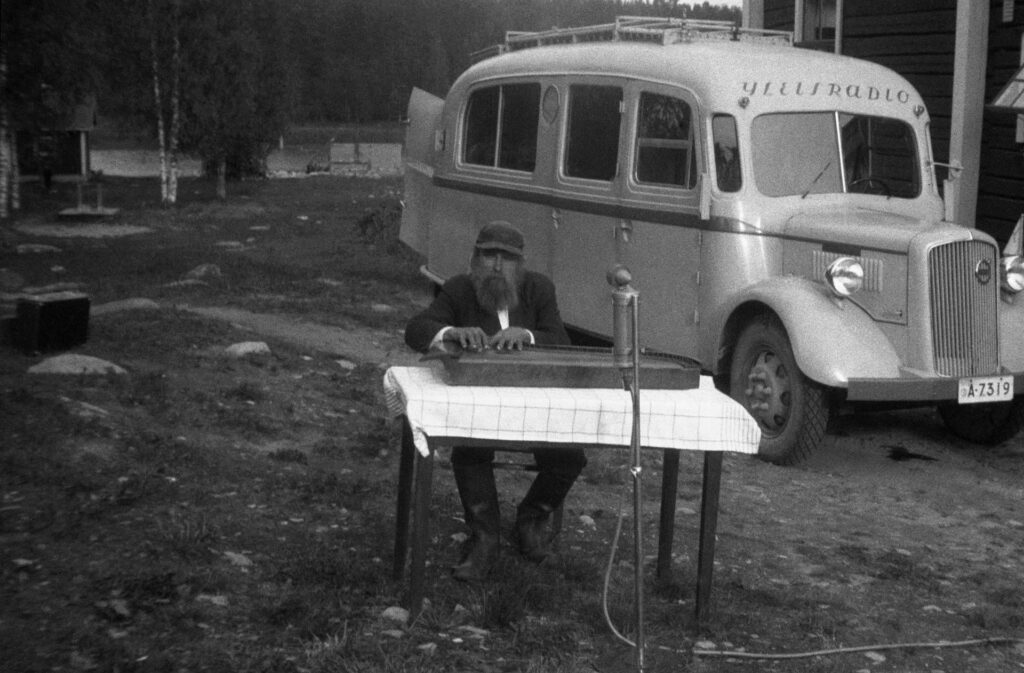
- Kantele—a Finnish stringed instrument that occurs in the Kavelava.
- Pohjola—a mythical Northland that figures prominently in the Kavelava.
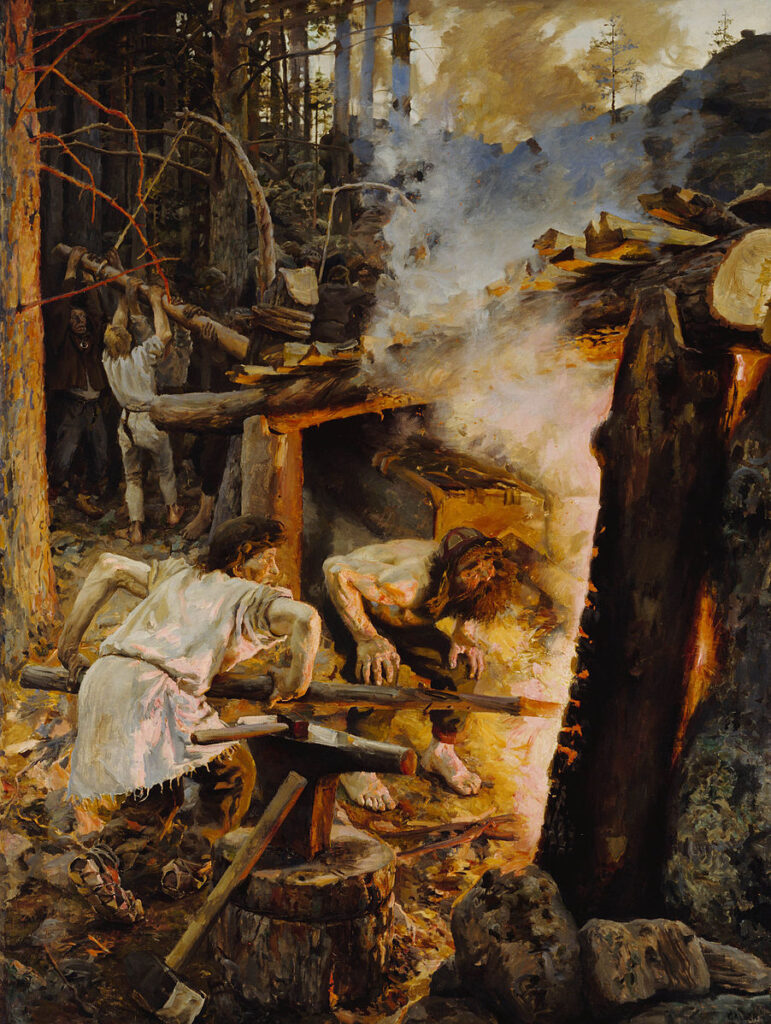
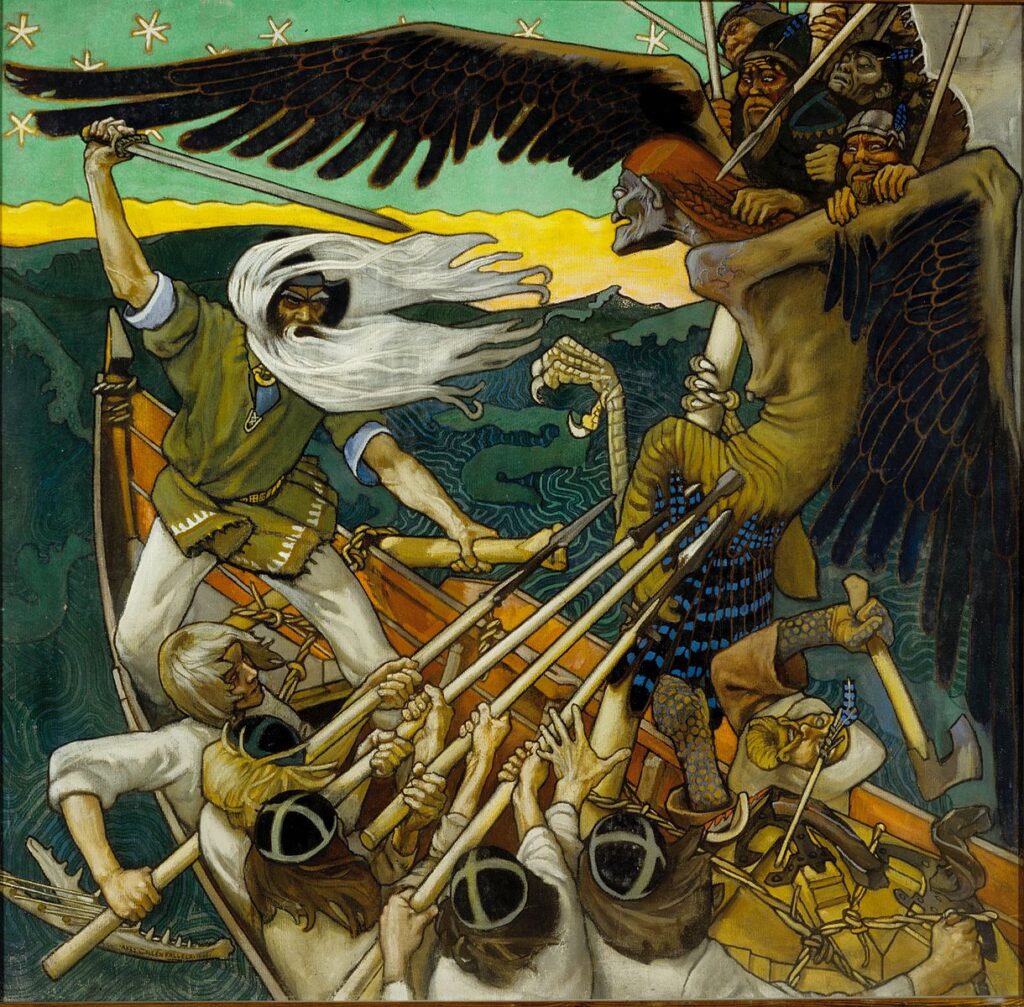
- Sampo—A mythological forged object that brings abundance and good luck to the land and people that possess it.
- Tresses—long locks of hair.
- Trochees—repeating poetic units that are one stressed syllable followed by one unstressed syllable.
Media:
- The Forging of the Sampo by Akseli Gallen-Kallela 1893, https://commons.wikimedia.org/wiki/File:Gallen_Kallela_The_Forging_of_the_Sampo.jpg
- Playing a kantele in 1930s Finland, https://commons.wikimedia.org/wiki/File:A_man_playing_the_Kantele_in_front_of_a_broadcast_van,_1930s.jpg
- The Defense of the Sampo by Akseli Gallen-Kallela 1896, https://commons.wikimedia.org/wiki/File:Sammon_puolustus.jpg
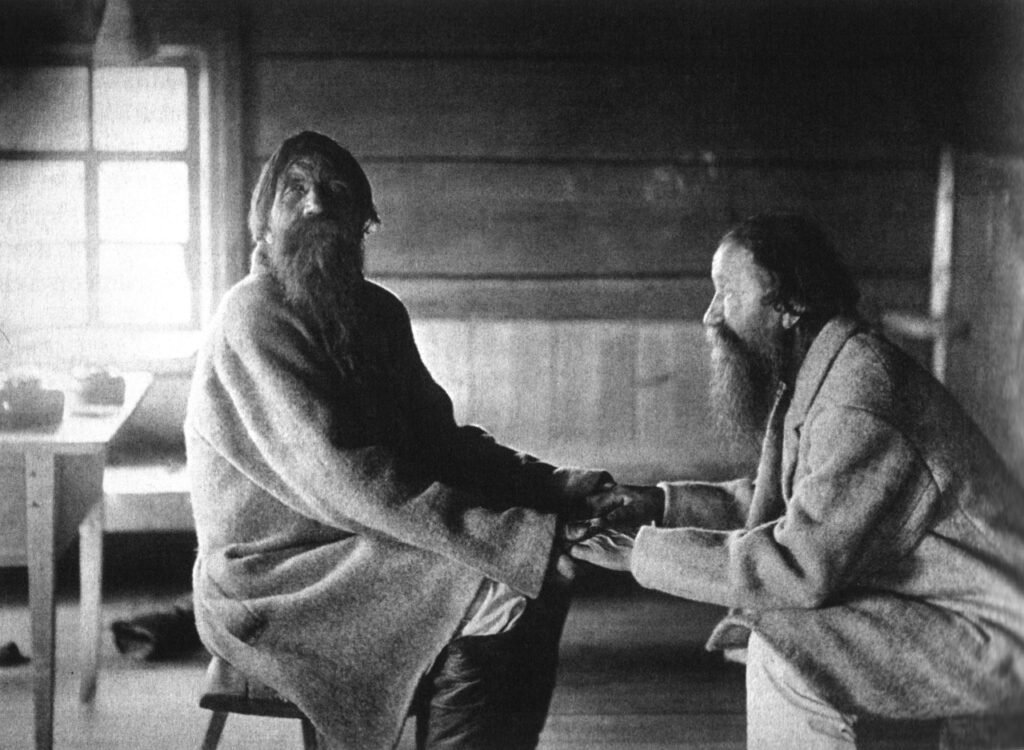
- Runic poem singing in 1894, https://commons.wikimedia.org/wiki/File:Inha_runonlaulajat.jpg


Leave a Reply